
Home Renovations and Potential Tax Advantages Explained
Big home upgrades usually mean writing some pretty massive checks. But outside of getting a gorgeous new living space or better plumbing, these projects can actually do some serious favors for your tax situation. If you're planning some major work, understanding how these structural changes affect your baseline value and yearly Internal Revenue Service bill is a must-know strategy.
The secret to saving cash in the long run comes down to telling the difference between basic repairs and real property improvements. Sure, minor cosmetic fixes look great, but structural work done by pros gives you a legit way to lower what you owe. If you keep good track of these upgrades now, you'll be set up to keep way more cash in your pocket when it's time to hand the keys over to a new owner.
Using smart updates on your place is one of the best ways to keep real estate taxes from biting you later on. By weaving qualified construction projects into your long-term plans, you can navigate government rules like a pro. Here are five distinct ways that investing in your home’s structure can ease your tax burden, help you track assets, and open up better borrowing options.
Expanding the Baseline Adjusted Basis
Your cost basis is essentially what you paid for your house, plus some of those annoying closing fees from when you bought it. When you tackle big physical additions, you permanently change that number by turning cash into real estate value. Every dollar you spend on these structural upgrades gets added straight to that official adjusted basis.
Having a higher baseline value is a massive win when you decide to put your house on the market. The IRS calculates your taxable profit by subtracting your final adjusted basis from whatever you sell the place for. This means that tracking every single dollar spent on structural additions directly shrinks the chunk of profit that could get hit with taxes later on.
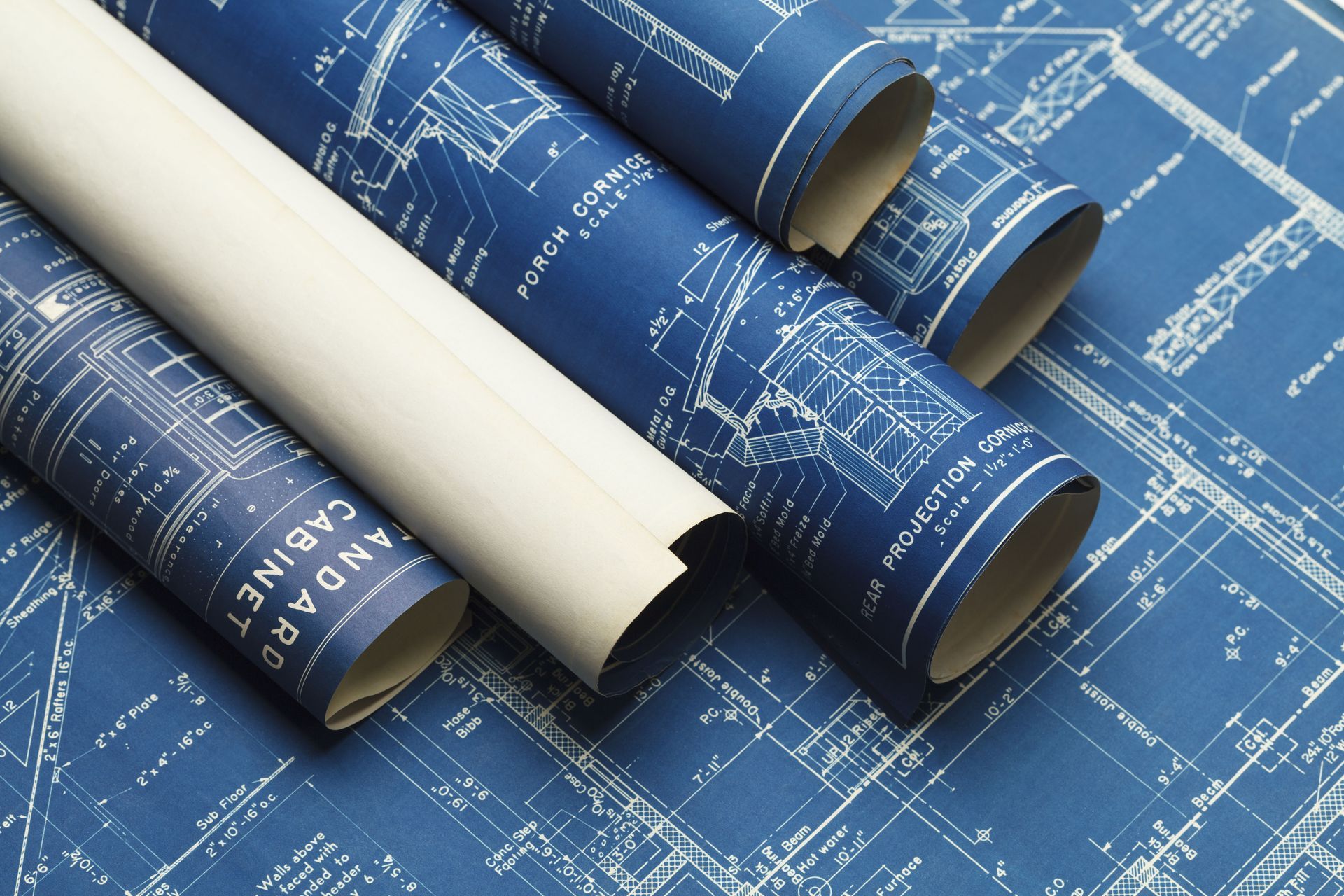
To protect these numbers if you ever get audited, you need to hang onto your ledger entries, blueprints, and every single receipt. Planning comprehensive home renovations requires an understanding of which projects actually count as capital upgrades under current rules. Instead of minor repairs, the updates have to add permanent value, prolong the life of the house, or adapt it for a totally new use.
Leveraging Home Equity Financing Options
Borrowing against your home's equity is a classic way to pay for a massive transformation. These loans let you tap into the value your home has built up over time without having to completely refinance your main mortgage. Plus, the tax rules offer some specialized perks if you use that borrowed cash for actual home restoration. Taking this route allows you to upgrade your living space while simultaneously unlocking potential financial advantages at tax time.
According to AmeriSave, the interest you get on a home equity loan (HELOC) can be deducted if you use that money to make home improvements and keep your total mortgage debt under $750,000. This is a huge incentive to spend that borrowed money strictly on structural upgrades rather than paying off credit cards. Splitting equity funds between renovations and personal expenses messes up your tracking and risks losing your deduction.
When you use equity lines, IRS rules say the debt has to be secured directly by the actual house you're working on. Homeowners frequently use these specific borrowing options to fund large-scale home renovations rather than pulling from personal liquid savings. Keeping clear contracts ensures that the link between your loan and the actual physical improvements stays crystal clear.
Shielding Real Estate Capital Appreciations
The government gives you a pretty generous tax break when you sell your main home, shielding a good chunk of your profit from capital gains taxes. If you're single, you can exclude a set amount of profit, and married couples filing together get an even higher cap. But in a red-hot housing market, home prices can easily shoot right past those standard limits.
This is exactly where past investments in home renovations provide an exceptionally valuable shield against a massive tax bill at closing. Say a married couple buys an older house and eventually sells it for a massive profit that goes way over the standard exclusion limit. Without any proof of modifications, a chunk of that profit is going to get hit with capital gains tax.
But if that same household invested heavily in comprehensive home renovations over the years, their adjusted cost basis rises significantly above the original price. That upward shift successfully compresses the officially calculated profit, fitting the whole sale much more comfortably under the tax-free limit. Investing in pro-level structural upgrades basically locks in your future wealth by neutralizing the tax traps of a big home sale.
Using Residential Energy Conservation Incentives
Modern home updates are all about sustainability, lowering your utility bills, and putting in high-efficiency systems. The government loves these eco-friendly choices and rewards them with direct tax credits that reduce your federal tax bill dollar-for-dollar. These are way better than standard deductions because they cut your actual bill rather than just lowering your reported income.
Putting in solar panels, small wind turbines, or geothermal heat pumps can score you massive single-year tax credits. If you pull the trigger on these high-tech mechanical upgrades, you can claim a huge percentage of the total cost on your annual tax return. Since the credit applies to the full cost of professional installation, it makes big green upgrades much more affordable.
On top of that, going green during extensive home renovations can also snag you smaller, predictable tax breaks every year. Installing energy-efficient windows, heavily insulated doors, or new HVAC systems usually qualifies for capped annual credits. Just make sure to save the manufacturer’s certification paperwork to prove your new gear meets strict government standards.
Organizing Documentation for Medical Modifications
When health challenges or mobility issues mean you have to change your home's layout, the tax rules change to help out with those essential costs. Capital expenses meant specifically to accommodate a permanent physical disability can be written off directly as medical deductions. This gives immediate financial relief to families, modifying a layout for long-term healthcare needs.
Eligible changes cover a ton of structural work, like building wheelchair ramps, widening hallways, or adding support structures. Lowering kitchen counters, modifying bathrooms, and changing the grading of outdoor walkways also fit the bill. The main catch is that these updates have to focus entirely on accessibility and utility, not just making the house look prettier.
To figure out your deduction, you have to look at how the project changes your home's overall market value. When families complete accessibility-focused home renovations, the changes might not actually raise the resale value of the house. If the project doesn't bump up the property value at all, you can instantly claim the entire cost as an itemized medical deduction.
Fitting your remodel plans into complex tax laws takes smart choices, clean paperwork, and professional crews. Keeping track of your starting costs, loan interest, and green energy credits keeps your hard-earned savings safe from heavy tax bills. Mixing strategic home renovations into a solid long-term plan brings you real financial perks that stick around long after the dust settles. Ready to transform your space with a team you can trust? Visit Kreider and Diller Builders, Inc today to get your project started.




Share On: